
The interface you’re optimizing for is being replaced
Let’s be blunt: if you still treat SEO as “how do I win the blue link,” you’re optimizing for an interface that’s already fading. In 2026, the quieter fight is whether answer engines decide you’re an expert—or just ignorable background noise.

When someone asks ChatGPT, Perplexity, or Google’s AI features a question tomorrow, the response is a synthesis of sources the model has already learned to trust. Your choice today is simple: become a recognizable source, or blend into the generic content slurry.
This is why I’ve gotten more opinionated watching teams publish “fine” posts and then wonder why they’re missing from AI answers. You’re not only writing for humans who might click. You’re publishing material that gets parsed, compared, and filed under a label like “credible on X” or “skip.” And that label compounds.
AEO shifts the unit of visibility from pages to presence
Traditional SEO rewarded a single page for a narrow keyword. Answer engine optimization (AEO—optimizing to be cited in AI-generated answers) rewards something different: multi-citation presence inside a compressed summary of a topic.
That’s the inversion most brands miss. Early-stage companies that would need years to build classic domain authority can get meaningful visibility if they show up wherever models pull context: solid blog posts, help docs, YouTube transcripts, and real community threads.
At Blog-O-Bot, we keep seeing the same disconnect: “Nobody reads our blog—should we stop?” paired with “We never appear in AI answers.” Even modest human traffic can still train your visibility, because models don’t doomscroll; they methodically digest.
If you want a practical way to scale quality without publishing garbage, tools like Blog-o-bot (AI article generation) are useful—as long as you treat them as a drafting accelerator, not an expertise substitute.
Write like a human expert—because the model has infinite generic text
Retrieval-Augmented Generation (RAG—models fetching fresh web sources at answer time) rewards content that’s unusually clear, specific, and internally consistent. If your writing is thin or keyword-chasing, you’ve taught the system you’re not worth citing. That’s an SEO decision, not a style preference.

What moves the needle isn’t “blog more.” It’s publishing content that covers the realistic follow-up questions users ask in conversation:
- “What changes in my industry?”
- “What breaks at 100k users?”
- “What’s the trade-off if budget is tiny?”
The worst play in 2026 is content that feels indistinguishable from a passable AI draft. Models already have an infinite supply of that. They reward what they don’t already have: nuanced experience, defensible opinions, concrete edge cases, and phrasing that reads like a competent practitioner.
If this feels like semantics, watch what’s happening to your click-through rates. AI Overviews (and their cousins) are compressing entire “informational” journeys into one synthesized box, which means the win condition is shifting from ranking to being referenced. I broke down the mechanics and the replacement playbook in AI Overviews SEO broke the click economy—here’s what replaces it.
Community proof and UX decide who gets shortlisted in voice-first search
Voice and chat interfaces amplify the stakes. When someone asks, “What’s the best tool for my very specific use case?” they’re not skimming ten links—they’re accepting a decisive shortlist. That’s why being “mentioned as many times as possible” matters: you’re competing to be part of the authoritative compressed answer.
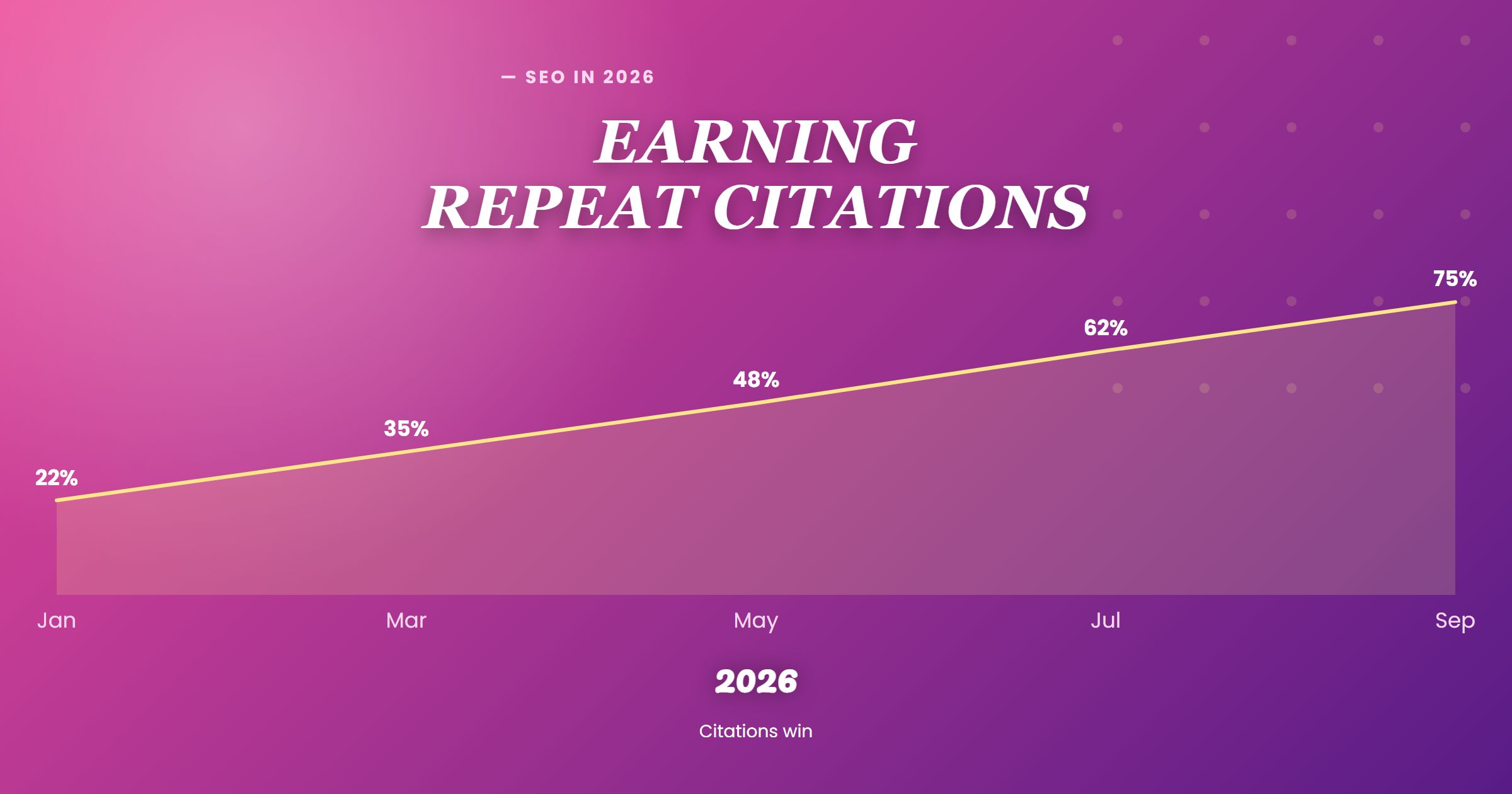
Community platforms are a citation accelerant—but only if you show up like a real person. One transparent, high-value comment under your real name beats a hundred synthetic posts. Spam doesn’t just get you banned; it teaches models to ignore your patterns.
My uncomfortable stance: every time you publish, you’re educating future customers and calibrating the AI that decides whether those customers hear about you. The new algorithmic question is “whose thinking best represents reality?” If you want to win, be worth citing—any medium, any interface.
What’s one topic in your niche where you could publish the “most cite-worthy” explanation on the internet—and prove it with specifics?