
Treat expertise like a skill you practice, not a label you claim
If “social media expert” feels like a job title you’re not allowed to use yet, reframe it as a repeatable skill set: telling a true, concrete story to the right people—consistently. That’s the red thread between LinkedIn posts that get saved, blog articles that keep attracting the right readers, and brands that feel quietly magnetic.
Seth Godin’s definition still holds up in 2026:
Marketing is “telling a true story to people who want to hear it, and creating a story that people want to spread.”
Notice what’s missing: algorithms, virality, and follower counts. What actually moves the needle for beginners is simpler: teach something specific or solve one real problem. Generic promotion blends into the feed; useful clarity stands out.
Use writing as the engine (even if video is everywhere)
Video is huge, sure—but writing is the spine of everything else: scripts, captions, carousels, and even what you say on camera. If you can write clearly, you can create in any format without feeling like you’re constantly “performing.”
There’s also a quiet second audience: AI systems. When you publish topic-consistent posts (on LinkedIn and on a simple blog/home base), you’re leaving a trail of expertise signals. Over time, that helps humans trust you and helps machines classify you as “relevant to this niche.” The mindset shift for small brands is this: even when not everyone reads every post, your body of work still compounds.
To keep it realistic, set a few prerequisites:
- Pick a narrow niche: something you can talk about for years (not weeks).
- Choose 1–2 platforms: go deep, not wide.
- Commit to low-engagement seasons: they’re normal early on.
- Have a home base: a basic site, newsletter, or portfolio page is enough.
Build a simple ladder to become a social media expert: blog → LinkedIn → formats people share
Here’s a compact workflow that turns one good idea into multiple assets without burning out.
Start with a problem-solving core
Step 1: Write one short piece that answers a specific question in your niche (a walkthrough, checklist, or “what I’d do differently” story). Avoid theory-only posts.
Rewrite for the platform (don’t paste)
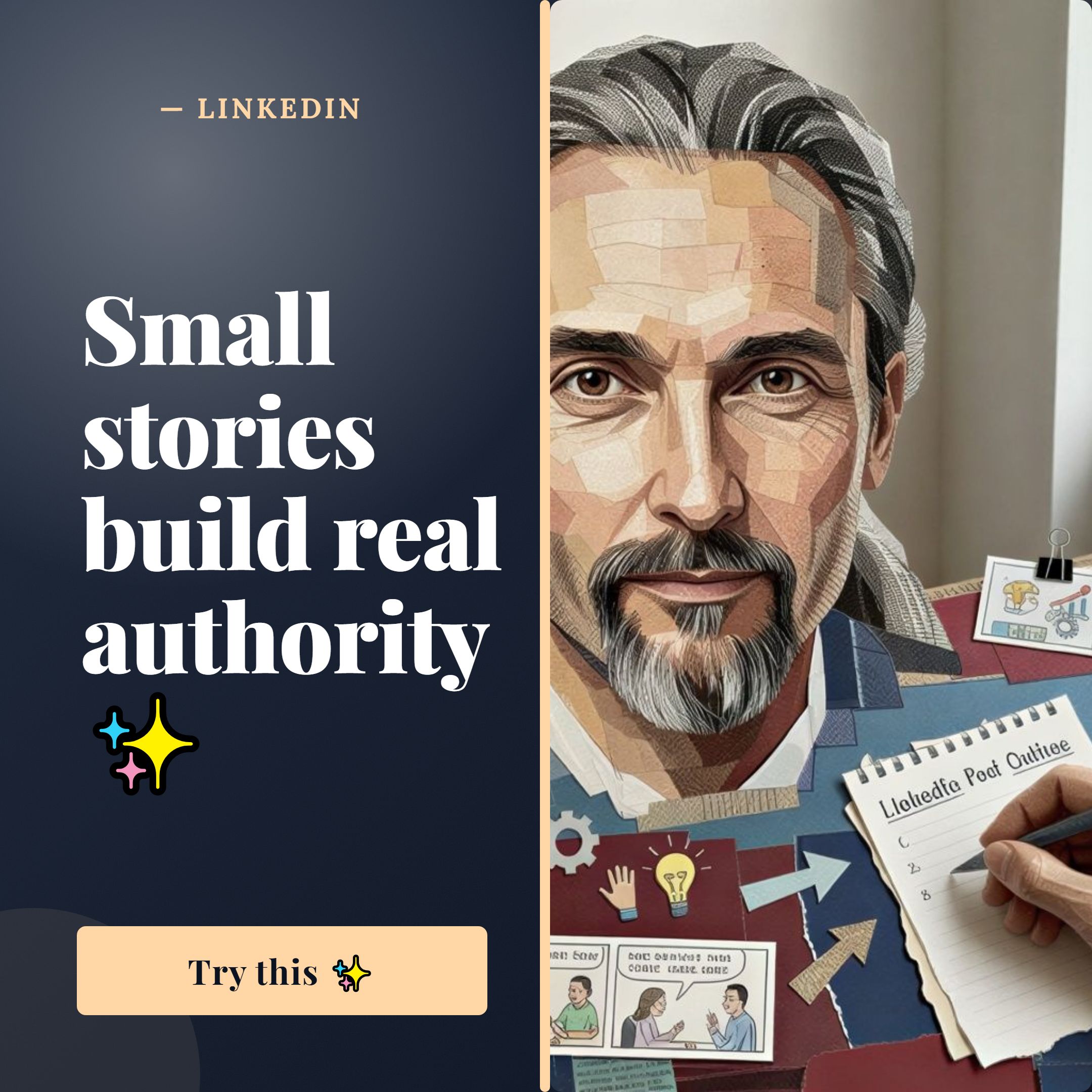
Step 2: Turn that core into a platform-native LinkedIn post:
- A sharper opening line (the “who is this for?” hook)
- Shorter sentences
- One concrete example (numbers, steps, or a mini case)
Slice it into other formats
Step 3: Repurpose into:
- A carousel with 3–7 steps
- A 30–60 second “teach one thing” video outline
- A short FAQ post responding to common objections
Grow faster by talking back (comments and DMs are the multiplier)
The hidden half of becoming a social media expert is what you do after you hit publish. In 2026, many accounts grow less from posting more—and more from being consistently useful in public conversations.
Use this simple engagement rule:
- Spend as much time engaging as drafting (especially early on).
- Leave comments that add value, not applause:
- A sharp insight (one sentence)
- A quick example (“Here’s how this looks in a real project...”)
- A thoughtful counterpoint (respectful disagreement)
- A follow-up question that keeps the thread moving
This is live market research plus brand building. You’re teaching people what you stand for—and it’s fine if some disagree. A clear point of view attracts the smallest viable audience: the people who would genuinely miss your posts if you stopped.