Notice when “productive” stops feeling alive
It’s 10 p.m. and your IDE glows like a little spaceship window. You promised yourself “one quick refactor,” but now you’ve got five AI tabs open, three agents “thinking,” Slack pinging, and your brain feels like a compressed week of meetings. If you’re an AI dev trying to come back after burnout, this can hit differently: you shipped code, the tools say “success,” and yet you close the laptop feeling empty—wired and wiped at the same time.
In 2026, the trap isn’t just overwork—it’s work intensification: AI often helps us cram more decisions into the same day, not magically create more rest. Harvard Business Review has described this pattern clearly: productivity gains can shrink breaks instead of work hours (Harvard Business Review). And when the “easy” tasks get automated, we don’t relax—we spend more time in high-intensity judgment: supervising, verifying, second-guessing. That’s not craft. That’s babysitting a probabilistic machine.
If you’re coming off burnout or a bad job, this matters: your body can learn “coding = threat.” A tight chest when the IDE opens isn’t weakness; it’s memory.
“Nothing is wrong with you. You’re trying to do deep creative work in an environment tuned for maximum optionality and minimum recovery.”
Spot “junk flow” before it steals your week
A lot of what gets labeled “vibe coding” is actually dark flow: fast, thrilling, and dangerously ungrounded. You spin up agents, generate piles of code you’ll never read, and feel amazing—until weeks later you realize half of it is unmaintainable or unused.
The tell is the dopamine pattern: green checkmarks, long diffs, “done” messages... without the quiet satisfaction of understanding. It can feel like flow, but it’s closer to a slot machine: lots of stimulation, little skill growth. Some developers have even described “agent psychosis”—weeks of sleepless prompting and building tools they don’t use—because the feedback loop rewards motion, not meaning.
Here’s the reframe: real vibe coding isn’t “I produced more.” It’s I stayed the author—and the code stayed readable to Future Me.
If you still want that “fast and fun” feeling, don’t throw it out—give it bumpers. A tiny bit of structure can turn dark flow into clean momentum: a five-minute anchor, a short sprint, a quick review, and you’re back in your body instead of lost in tabs. I broke that loop down in vibe coding without burnout: lightweight structure for AI-assisted flow.
Make AI a collaborator, not a noise generator (AI dev boundaries)
The best vibe shift I’ve seen is treating AI like nervous-system-aware pair programming: you keep the steering wheel; it moves your fingers faster. That means lowering ambient cognitive load on purpose.
Try this lightweight ritual:
One thing that helps when boundaries feel slippery: stop treating flow like a mood you’re waiting for, and start treating it like a ritual you can repeat. Sound cue, one intention, one timebox, one trust rule—same entry sequence every time—so your nervous system recognizes “this is safe work.” I mapped a simple version of that in a repeatable ritual for flow with AI tools.
- Step 1: Set a one-sentence intention. “Make tests pass for X” beats “clean up the whole module.”
- Step 2: Cap parallel threads at one. WIP (work in progress) kills vibe; your brain can’t babysit ten storylines.
- Step 3: Demand visible changes. Ask for explicit diffs and short plans; avoid “I edited a bunch of files, trust me.”
- Step 4: Externalize state before stopping. Have the agent write a handoff note: what changed, what’s broken, what’s next.
- Step 5: Keep one “easy” task human. Rename variables, tidy a function, sketch a tiny prototype—small, meditative wins are recovery, not inefficiency.
Use sound and rest as part of the build system
Vibe coding isn’t only mental—it’s physiological. After intense AI back-and-forth, many people report headaches, fuzzy thinking, slower decisions. That’s your cue for a pattern break, not a smarter prompt.
Borrow a simple “tempo rule”:
- Every 45–60 minutes: stand up for 2–5 minutes (no phone).
- Choose one sound cue: lo-fi, ambient, or silence—anything that signals “this is focus time.”
- End with a soft landing: one sentence in your notes: “I’m leaving it here because...”
This is for informational purposes only and not a substitute for professional advice. Consult a qualified expert for personal guidance.
FAQ: Can’t code after burnout (and worried about AI)?
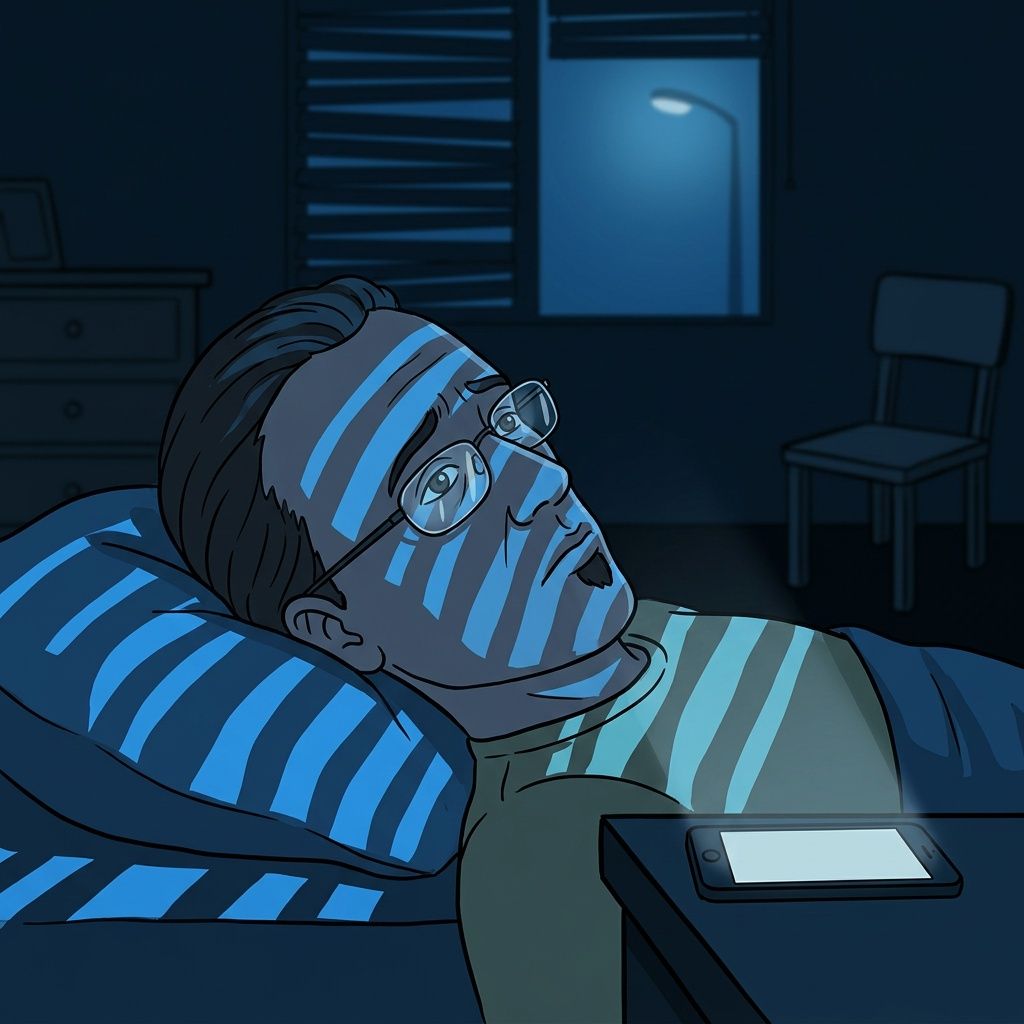
If you’re coming off burnout or job loss and feel dread when you open your IDE, it doesn’t mean you’re broken—it often means your nervous system has learned “coding = threat.” Start smaller than your ambition: set one sentence of intent, keep AI to a single thread, insist on visible diffs, and stop while you still feel safe enough to leave a handoff note. AI can help you move gently, but only if you keep authorship and pacing—otherwise it can amplify pressure and decision fatigue.
Creative prompts (pick one tonight):
- If your code had a soundtrack, what’s the one track that matches the pace you actually want?
- What would “being the author” look like in your next AI-assisted commit?
- Which tiny, human-only task would make tomorrow’s session feel safe?
Sources: